

African Stories You Shouldn't Have to Search For
Maryam Cham · 5th November, 2026
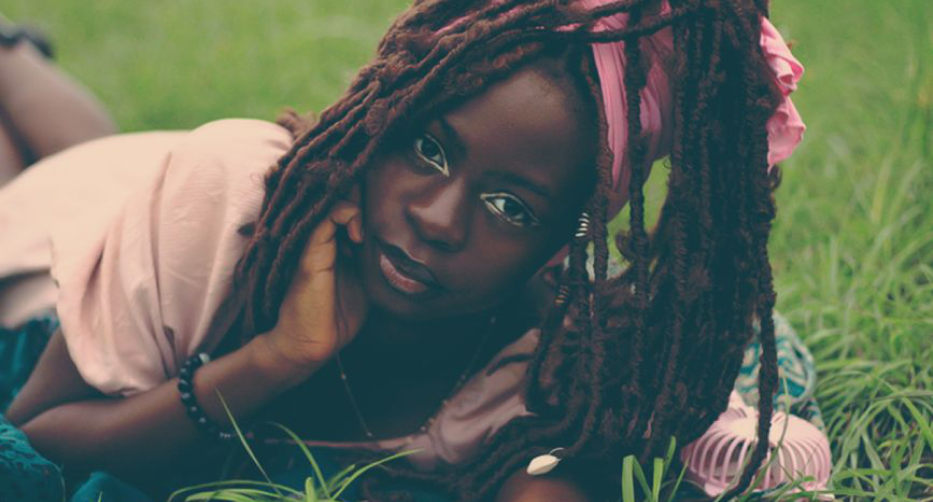
Some stories travel the world. Others wait quietly on a shelf, hoping someone will find them. We think more people deserve to find them.
There is a particular kind of frustration that comes with asking for book recommendations and hearing the same five titles over and over again. Not because those books aren't wonderful. Some of them are. But the world is full of writers, characters, histories and imagined places that rarely make it into the conversation.
And African literature? It is far too vast to be reduced to a handful of familiar names. There are stories about complicated families, impossible choices, political upheaval, first love, faith, migration, friendship, ambition and the ordinary business of being human. There are books that will break your heart, books that will make you laugh at the most inconvenient moment, and books that will leave you staring at a wall long after you've turned the last page.
We want to make finding those stories a little easier. So, consider this an invitation to wander beyond your usual reading list.
So Long a Letter by Mariama Bâ
What happens when a woman is left to make sense of her life after the person she built it around makes a decision that changes everything? Written as a letter, this Senegalese classic explores friendship, marriage, grief, women's independence and the expectations placed on them. It is intimate without being small, and its questions remain remarkably relevant.
Read it if: You enjoy character-driven stories that make you think about relationships, tradition and the lives women are expected to lead.
The Secret Lives of Baba Segi’s Wives by Lola Shoneyin
A household with four wives, one husband and a carefully maintained sense of order begins to unravel when an unexpected arrival changes the family dynamic. Lola Shoneyin combines humour, tension and social commentary in a story that looks beneath the surface of domestic life. The result is entertaining, uncomfortable in places, and full of characters who refuse to be easily dismissed.
Read it if: You like family dramas, layered characters and stories that expose the things people work hardest to keep hidden.
Freshwater by Akwaeke Emezi
Ada's life is shaped by experiences that challenge the boundaries of identity, selfhood and the stories people tell about who they are. Akwaeke Emezi's debut is formally adventurous and deeply concerned with the many forces that can shape a person's inner world. It asks readers to approach identity with curiosity rather than easy assumptions.
Read it if: You are open to experimental storytelling and books that challenge conventional ideas about identity and belonging.
The Fishermen by Chigozie Obioma
In a small Nigerian town, four brothers find their lives altered by a prediction that takes hold of their family's imagination. What begins as a childhood adventure gradually becomes a haunting story about fear, brotherhood, fate and the power of words to change how people see one another.
Read it if: You enjoy literary suspense, family stories and narratives where a single moment can change everything.
There is no single way to read African literature
One of the best things about reading across the continent is discovering how little a single label can contain. A novel set in a bustling city may have very different concerns from one set in a rural community. A story shaped by migration might ask questions that another, rooted in one place across generations, approaches from an entirely different direction.
Writers bring their own languages, histories, imaginations and experiences to the page. Some write realism. Others experiment with folklore, speculative fiction, satire or forms that refuse to sit neatly in one category.
You don't have to read every book as a lesson about a country, a culture or a historical moment. Sometimes, you can simply enjoy the story. You can fall in love with a character, disagree with their decisions, laugh at their foolishness or recognise something of yourself in a life very different from your own. That is part of the pleasure of reading: discovering difference without losing the possibility of connection.